Original: $19.04
-65%$19.04
$6.66The Story
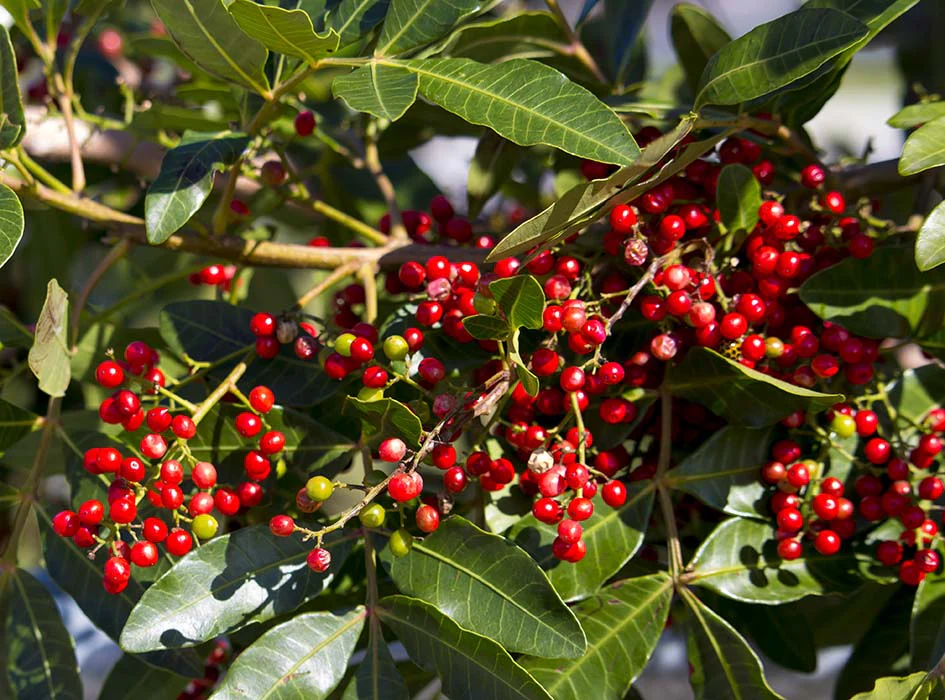
Two great classics of Japanese cuisine come from this remarkable tree: kinome leaves and sansho pepper berries. The young leaves are prized for their bright citrus aroma and herbal flavour, while the berries can be harvested green and unripe or red when fully mature.
Beyond its culinary value, the sansho tree (Zanthoxylum piperitum), also known as Japanese prickly ash, is an attractive ornamental. It produces striking thorns, beautiful orange and yellow autumn foliage, and its wood is traditionally used to make highly prized pestles and mortars.
Sansho trees are deciduous, losing their leaves in November and producing new growth in March.
Growing information
Sansho are slow-growing but easy to cultivate.
- Best grown in full sun
- Hardy to around –15°C once established (after the first year)
- Will grow in most soils with good drainage
They naturally form a bushy shrub, but can be pruned into a small tree if trained to a single stem. Growth is slow, typically reaching around 3m tall and 2m wide in 10 years.
Sansho can also be grown in containers. Use a citrus compost and feed with a citrus fertiliser, following the product instructions. Water moderately and allow the compost to almost dry out between watering.
Pollination
Sansho trees are generally dioecious, meaning male and female plants are normally required for good fruit production. However, individual plants may still produce some berries on their own, and both sexes produce edible leaves.
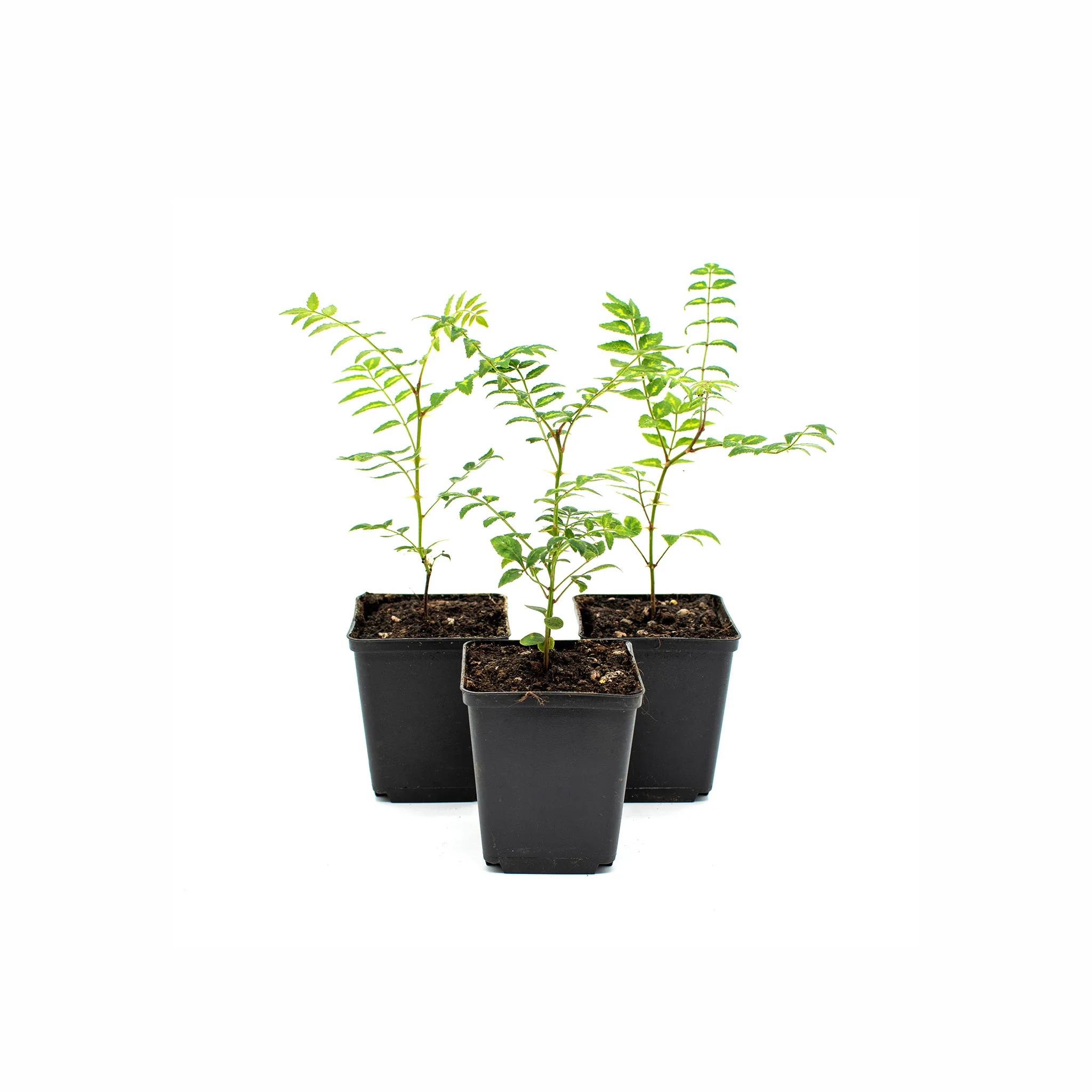
Plants cannot be reliably sexed until around four years old, so we offer sets of three plants to increase the likelihood of growing both sexes and achieving good harvests.
Harvesting and flavour
Young kinome leaves can be picked in spring and are valued for their fresh citrus and herbal flavour with a gentle, mouth-tingling spice. They are traditionally used with fish, shellfish, chicken, soups and desserts.
The berries can be harvested at two stages:
Green sansho – picked unripe in spring and often preserved in brine or vinegar
Red sansho – harvested in summer when the husks split open to reveal the black seed
Dry the ripe husks thoroughly before grinding in a pepper mill or pestle and mortar. The seeds contain little flavour and can be removed if desired. Dried husks store well in an airtight container.
How To Use
Sansho is intensely aromatic, with notes of lemongrass, lemon, mint and verbena, alongside its distinctive peppery citrus tingle. The spice creates a lingering sensation that enhances and prolongs other flavours in a dish.
Traditionally paired with freshwater eel (unagi) in Japanese cuisine, sansho is also excellent with fish, poultry, curries, stews, and even fruit and cream desserts.
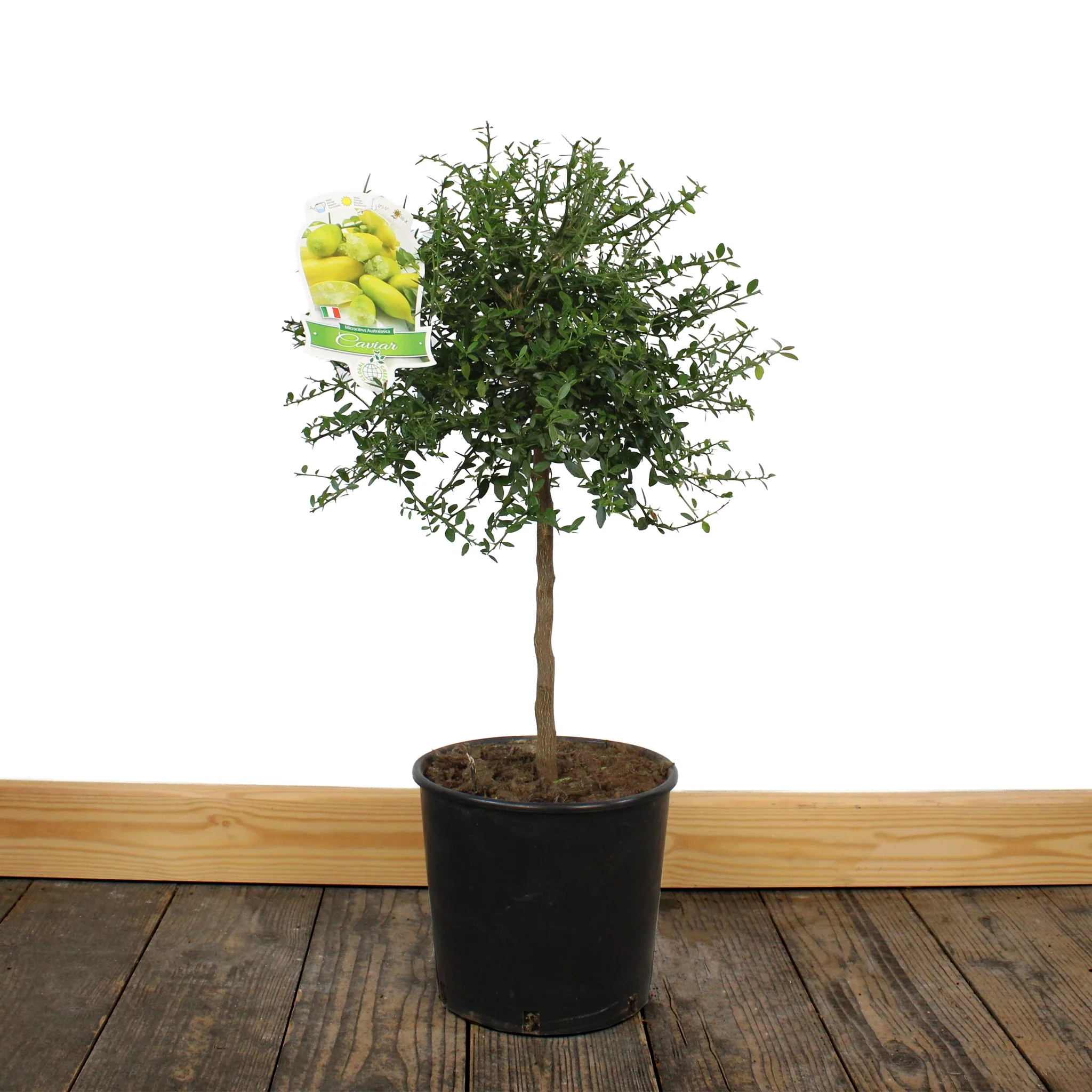
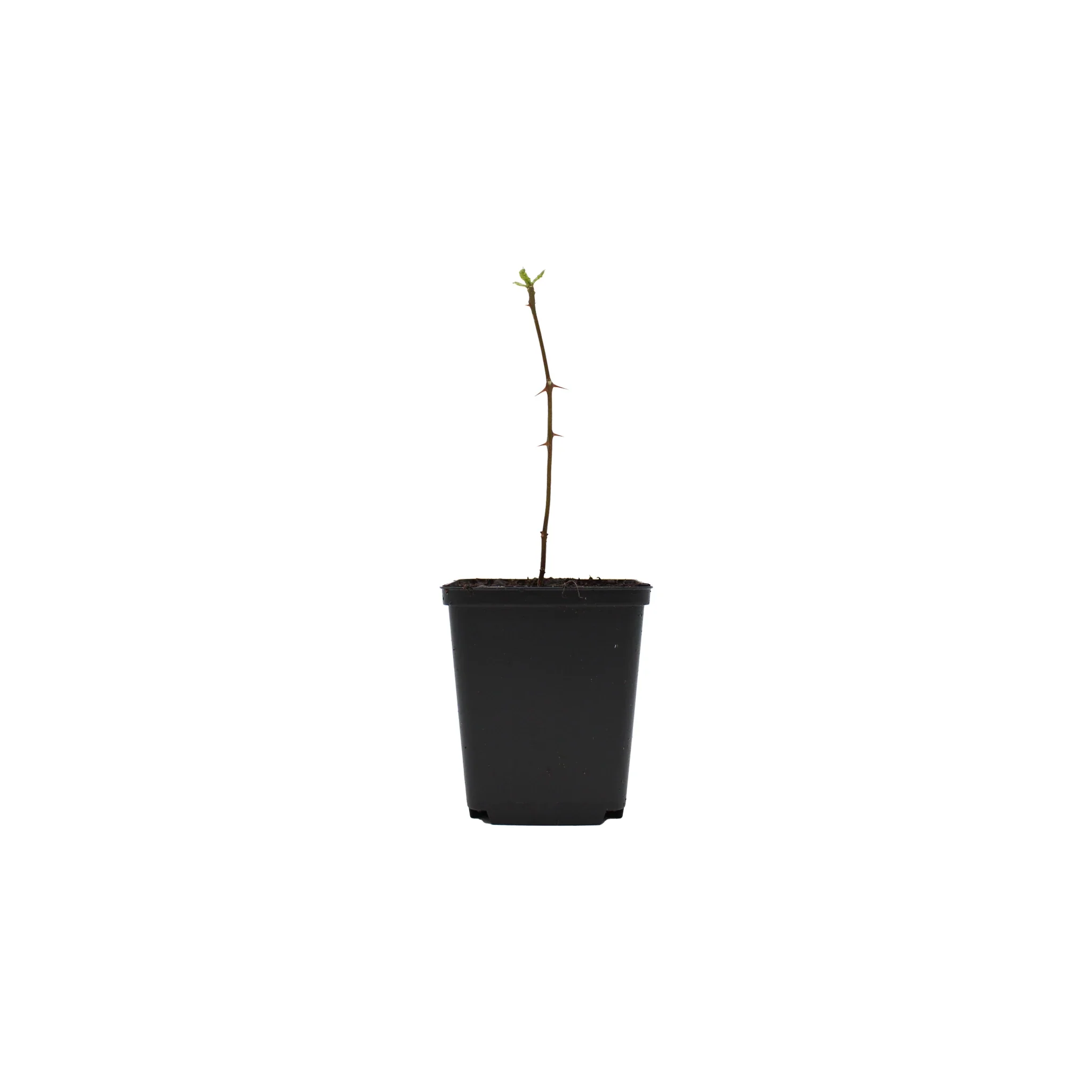
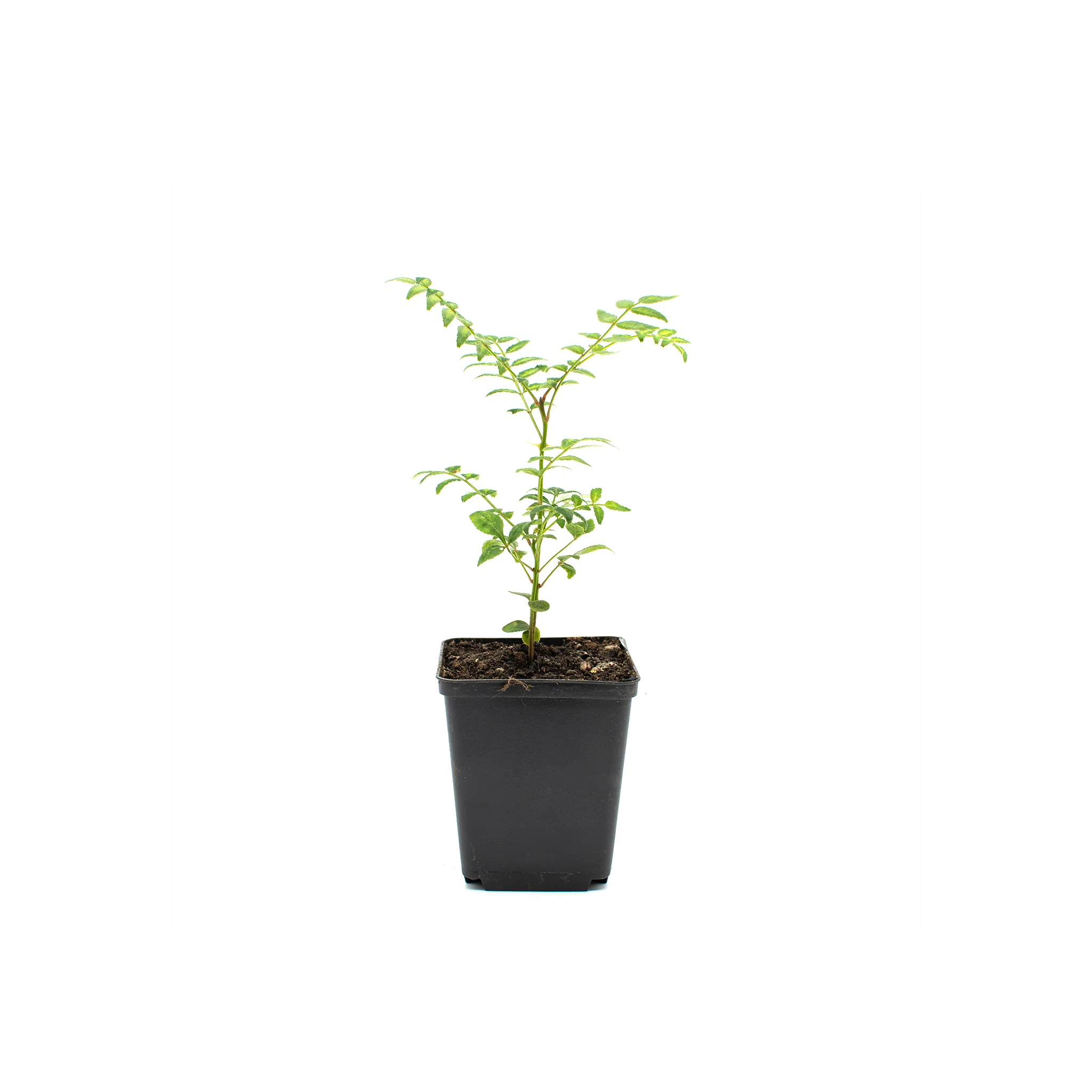
Trees supplied in a 7cm pot. The plants are currently 15cm tall inc. the pot
Details & Craftsmanship
Every detail has been carefully considered to bring you the perfect product.
Details & Craftsmanship
Every detail has been carefully considered to bring you the perfect product.
Details & Craftsmanship
Every detail has been carefully considered to bring you the perfect product.
Description
Two great classics of Japanese cuisine come from this remarkable tree: kinome leaves and sansho pepper berries. The young leaves are prized for their bright citrus aroma and herbal flavour, while the berries can be harvested green and unripe or red when fully mature.
Beyond its culinary value, the sansho tree (Zanthoxylum piperitum), also known as Japanese prickly ash, is an attractive ornamental. It produces striking thorns, beautiful orange and yellow autumn foliage, and its wood is traditionally used to make highly prized pestles and mortars.
Sansho trees are deciduous, losing their leaves in November and producing new growth in March.
Growing information
Sansho are slow-growing but easy to cultivate.
- Best grown in full sun
- Hardy to around –15°C once established (after the first year)
- Will grow in most soils with good drainage
They naturally form a bushy shrub, but can be pruned into a small tree if trained to a single stem. Growth is slow, typically reaching around 3m tall and 2m wide in 10 years.
Sansho can also be grown in containers. Use a citrus compost and feed with a citrus fertiliser, following the product instructions. Water moderately and allow the compost to almost dry out between watering.
Pollination
Sansho trees are generally dioecious, meaning male and female plants are normally required for good fruit production. However, individual plants may still produce some berries on their own, and both sexes produce edible leaves.
Plants cannot be reliably sexed until around four years old, so we offer sets of three plants to increase the likelihood of growing both sexes and achieving good harvests.
Harvesting and flavour
Young kinome leaves can be picked in spring and are valued for their fresh citrus and herbal flavour with a gentle, mouth-tingling spice. They are traditionally used with fish, shellfish, chicken, soups and desserts.
The berries can be harvested at two stages:
Green sansho – picked unripe in spring and often preserved in brine or vinegar
Red sansho – harvested in summer when the husks split open to reveal the black seed
Dry the ripe husks thoroughly before grinding in a pepper mill or pestle and mortar. The seeds contain little flavour and can be removed if desired. Dried husks store well in an airtight container.
How To Use
Sansho is intensely aromatic, with notes of lemongrass, lemon, mint and verbena, alongside its distinctive peppery citrus tingle. The spice creates a lingering sensation that enhances and prolongs other flavours in a dish.
Traditionally paired with freshwater eel (unagi) in Japanese cuisine, sansho is also excellent with fish, poultry, curries, stews, and even fruit and cream desserts.
Trees supplied in a 7cm pot. The plants are currently 15cm tall inc. the pot